

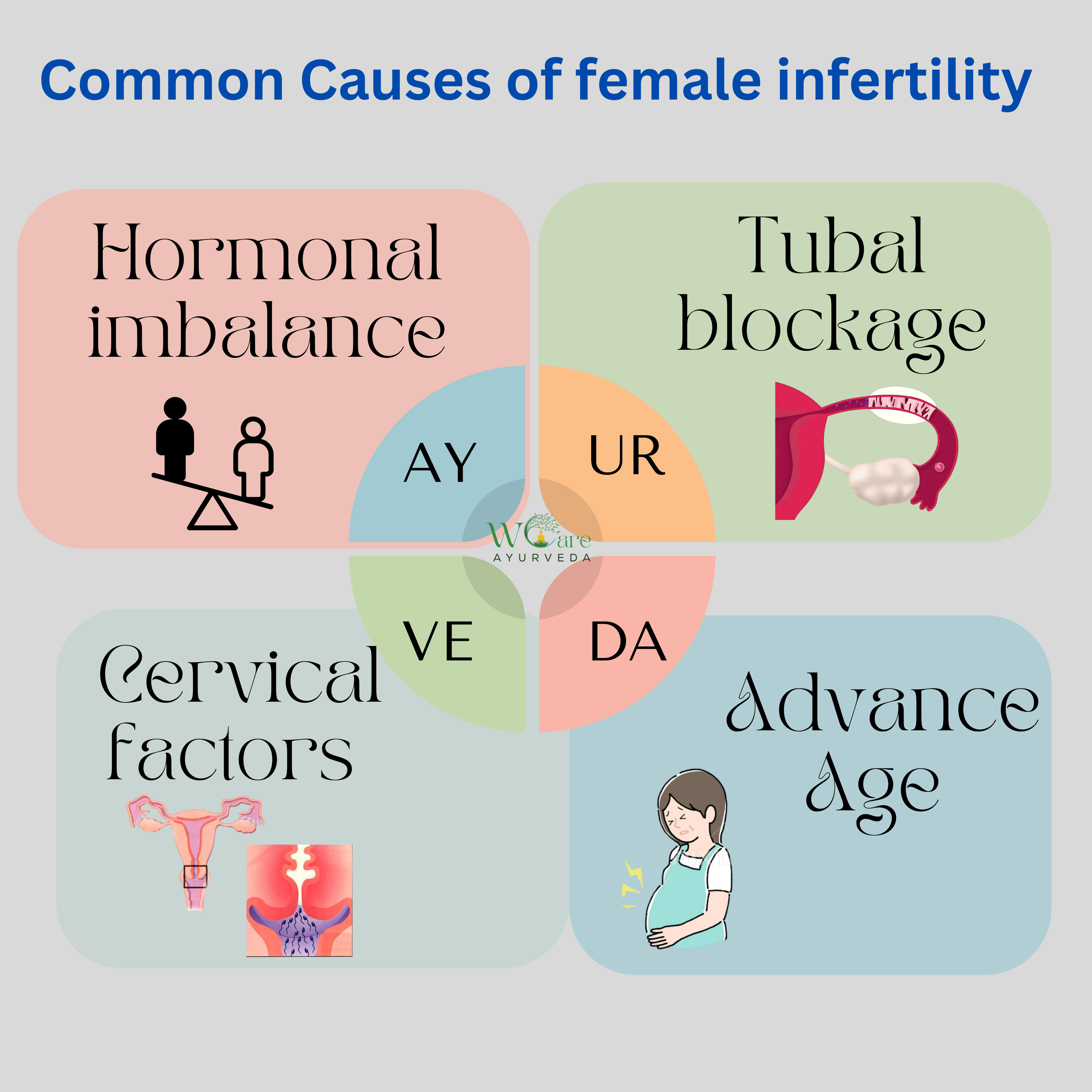
Female infertility is a growing concern for many women around the world, affecting their ability to conceive and start a family. Understanding the common causes of female infertility can help in diagnosing and addressing the issues effectively. This article delves into the most frequent reasons for female infertility, along with insights on diagnosis and treatment options, including the benefits of Ayurvedic treatments.
Understanding Female Infertility
What is Female Infertility?
Female infertility refers to the inability to conceive after one year of regular, unprotected intercourse. It can result from a variety of factors, ranging from hormonal imbalances to structural problems in the reproductive system.
Common Causes of Female Infertility
Hormonal Imbalances
Hormonal imbalances are one of the primary causes of infertility. Conditions such as Polycystic Ovary Syndrome (PCOS) and thyroid disorders can disrupt the normal menstrual cycle, affecting ovulation.
- PCOS: A condition characterised by irregular menstrual cycles, high levels of androgens, and cysts on the ovaries. Ayurvedic treatments, such as RAJO CARE, help manage PCOS by regulating menstrual cycles and balancing hormones.
- Thyroid Disorders: Both hypothyroidism and hyperthyroidism can interfere with ovulation. Herbal remedies like Aarogyavardhini Vati help regulate thyroid function and promote overall reproductive health.
Structural Problems
Structural problems within the reproductive organs can also lead to infertility. These include:
- Blocked Fallopian Tubes: Often caused by pelvic inflammatory disease or endometriosis, blocked tubes prevent the sperm from reaching the egg.
- Uterine Issues: Fibroids, polyps, or congenital anomalies in the uterus can interfere with implantation or increase the risk of miscarriage.
Ayurvedic therapies such as Uttar Basti (a specialised enema therapy) can help in treating uterine disorders and clearing blockages.
Ovulation Disorders
Ovulation disorders are another significant cause of infertility. Conditions like anovulation (absence of ovulation) can be managed with both conventional and Ayurvedic treatments.
- STRI CARE: Supports ovulation and improves egg quality, making it beneficial for women with low AMH levels or ovulation disorders.
- Shatapushpa Oil: Enhances egg quality and supports conception by activating the hypothalamus-pituitary-ovarian (HPO) axis.
Age-Related Factors
Age is a crucial factor in female fertility. As women age, the quantity and quality of their eggs decline, making it harder to conceive.
- Shatavari Vati: Beneficial for increasing fertility and managing menopause symptoms, it helps in maintaining reproductive health as women age.
Lifestyle Factors
Lifestyle factors such as stress, obesity, smoking, and excessive alcohol consumption can significantly impact fertility. Managing stress and maintaining a healthy lifestyle are essential for improving fertility.
- Ashwagandha Vati: Reduces stress and anxiety, acts as an antioxidant, and helps control bad cholesterol levels, supporting overall reproductive health.
Diagnosing Female Infertility
Diagnosing female infertility involves a series of tests and evaluations to identify the underlying cause. Common diagnostic methods include:
- Ovulation Testing: To check if ovulation is occurring regularly.
- Hysterosalpingography: An X-ray procedure to examine the uterus and fallopian tubes for blockages or abnormalities.
- Ovarian Reserve Testing: To determine the quantity and quality of eggs available.
- Hormone Testing: To evaluate levels of reproductive hormones.
Treatment Options for Female Infertility
Conventional Treatments
- Medications: Clomiphene citrate and gonadotropins are commonly prescribed to stimulate ovulation.
- Surgery: To correct structural problems like fibroids or blocked fallopian tubes.
- Assisted Reproductive Technologies (ART): Including In Vitro Fertilisation (IVF) and Intrauterine Insemination (IUI).
Ayurvedic Treatments
Ayurveda offers a holistic approach to treating infertility by addressing the root causes and promoting overall health.
- Panchakarma Therapies: Detoxification procedures like Yoni Pichu, Uttar Basti, Nasya, and Shirodhara help cleanse the body of toxins, balance hormones, and reduce stress.
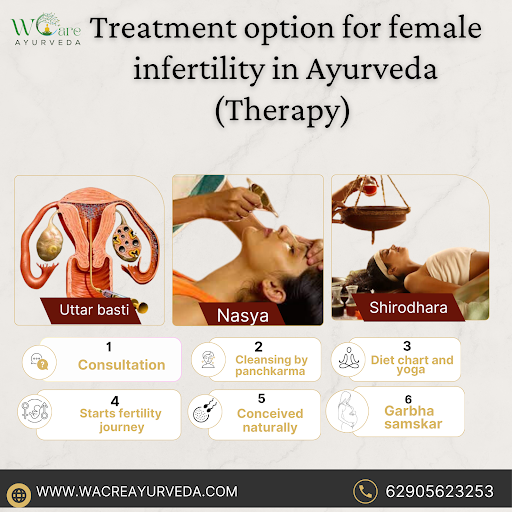

- Herbal Remedies: Integrating Ayurvedic products such as Kanchanar Guggul, STRI CARE, RAJO CARE, Ashwagandha Vati, and Shatavari Vati into the treatment plan can enhance fertility by addressing specific issues.
Integrating Ayurvedic Products in Fertility Treatment
Incorporating specific Ayurvedic products can enhance fertility by addressing various underlying issues. For instance:
- RAJO CARE: Effective for managing PCOD and PCOS by regulating menstrual cycles and balancing hormones.
- STRI CARE: Supports ovulation and improves egg quality, making it beneficial for women with low AMH levels.
- SWABHIMAN: Promotes healthy sperm, increases sperm motility, and boosts testosterone levels.
- SAMMAN: Helps prevent premature ejaculation, assists with erectile dysfunction (ED), and increases blood circulation in the penile area.
- NARICARE: Reduces vaginal infections, helps maintain vaginal pH, and improves vaginal health.
- Kanchanar Guggul: Helps dissolve cysts and manage PCOS/PCOD, while also increasing metabolism.
- Ashwagandha Vati: Reduces stress and anxiety, acts as an antioxidant, and helps control bad cholesterol levels.
- Shatavari Vati: Beneficial for managing PCOD/PCOS, increasing fertility, and easing menopause symptoms.
Conclusion
Understanding the common causes of female infertility is the first step toward finding effective treatment options. Both conventional and Ayurvedic treatments offer viable solutions, and integrating Ayurvedic principles can provide a natural, holistic approach to enhancing fertility. Couples facing fertility challenges are encouraged to explore these options and embark on their journey to parenthood with confidence.
FAQs
What are the common causes of female infertility?
Common causes include hormonal imbalances, structural problems in the reproductive organs, ovulation disorders, age-related factors, and lifestyle factors.
How can Ayurveda help with female infertility?
Ayurveda helps by balancing the body’s energies, detoxifying, and rejuvenating the reproductive system through personalized treatments, herbs, and lifestyle changes.
Are Ayurvedic treatments for infertility safe and effective?
Yes, Ayurvedic treatments are generally safe and effective, especially when administered by qualified practitioners. They focus on natural healing and long-term wellness.
How do Panchakarma therapies improve fertility?
Panchakarma therapies like Yoni Pichu, Uttar Basti, Nasya, and Shirodhara help cleanse the body of toxins, balance hormones, reduce stress, and improve reproductive health, thereby enhancing fertility.
What should I consider when choosing between conventional and Ayurvedic treatments for infertility?
Consider the root cause of fertility issues, the type of treatment (conventional or alternative), costs, and consult with healthcare professionals to determine the best approach for your specific needs.
Sources
- Mayo Clinic Staff. (2022). Female infertility. Mayo Clinic. Retrieved from Mayo Clinic
- NHS. (2022). Infertility – Causes. National Health Service. Retrieved from NHS
- American Pregnancy Association. (2022). Female Infertility: Causes, Treatment, and Prevention. Retrieved from American Pregnancy Association
- WebMD. (2022). Infertility and Women. Retrieved from WebMD
- MedicineNet. (2022). Hormonal Imbalance and Female Infertility. Retrieved from MedicineNet
- Chopra, D. (2022). Ayurveda for Fertility: The Holistic Approach. Retrieved from Deepak Chopra
- National Ayurvedic Medical Association. (2022). Panchakarma. Retrieved from NAMA
- Ram, A., & Parth, S. (2022). Herbal Remedies for Infertility. International Journal of Ayurveda Research. Retrieved from IJAR
- NIH. (2022). Acupuncture: In Depth. National Center for Complementary and Integrative Health. Retrieved from NIH
- Memorial Sloan Kettering Cancer Center. (2022). Herbs and Botanicals. Retrieved from MSKCC


