


Introduction
Male infertility is a significant issue affecting many couples striving to conceive. Understanding the causes of male infertility can guide effective diagnosis and treatment. This article delves into common causes of male infertility, diagnostic methods, and available treatments, including lifestyle changes and Ayurvedic solutions.
What is Male Infertility?
Male infertility is defined as a man’s inability to father a child due to reduced sperm production, poor sperm quality, or other factors affecting sperm delivery.
Common Causes of Male Infertility
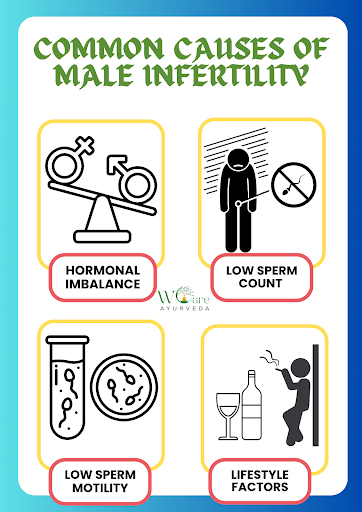
1. Hormonal Imbalances
Hormonal imbalances can interfere with sperm production and overall fertility. Conditions affecting hormones like testosterone or luteinizing hormone often lead to infertility.
Related Ayurvedic Solutions:

- Ashwagandha Vati: Helps reduce stress and balance hormones, thereby enhancing fertility.
- Brahmi Vati: Functions as a nervine tonic, aiding in hormonal regulation.
2. Low Sperm Count (Oligospermia)
Low sperm count is a frequent cause of infertility and can stem from various factors, including lifestyle and environmental influences.
Related Ayurvedic Solutions:
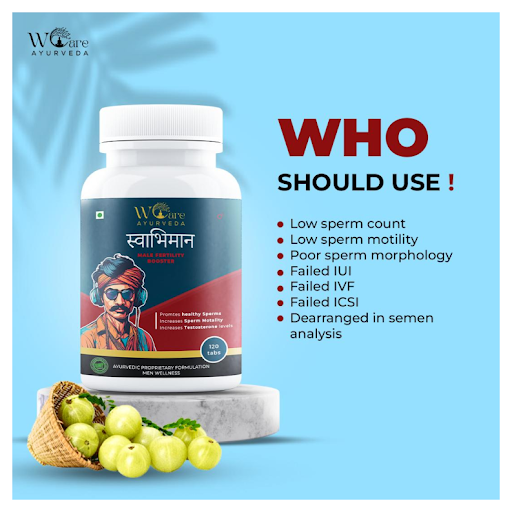
- Swabhiman: Improves sperm health, motility, and testosterone levels.
- Kanchanar Guggul: Supports metabolism and overall reproductive health.
Antioxidant Diet Examples:
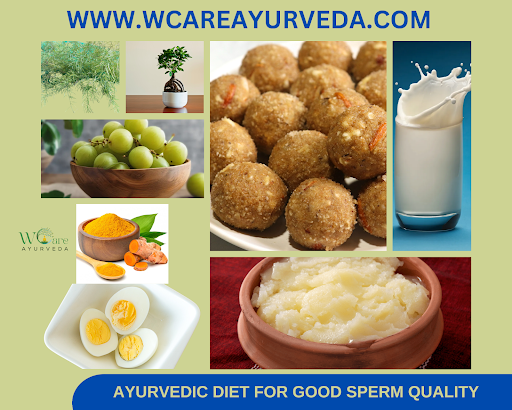
- Berries: Blueberries, strawberries, and raspberries are high in antioxidants that can combat oxidative stress and improve sperm quality.
- Nuts and Seeds: Almonds, walnuts, and flaxseeds provide essential fatty acids and antioxidants.
Essential Nutrients:
- Vitamin C: Found in citrus fruits like oranges and grapefruits, it helps protect sperm from oxidative damage.
- Zinc: Present in pumpkin seeds and lentils, zinc is crucial for sperm production and overall reproductive health.
3. Poor Sperm Motility (Asthenozoospermia)
Effective sperm motility is crucial for sperm to reach and fertilise the egg. Poor motility can hinder successful conception.
Related Ayurvedic Solutions:
- Swabhiman: Enhances sperm motility and health.
Antioxidant Diet Examples:
- Spinach and Kale: Rich in antioxidants and vitamins that support sperm health.
- Green Tea: Contains antioxidants like catechins that help improve sperm motility.
4. Structural Abnormalities
Structural issues, such as varicoceles or blockages in the reproductive tract, can affect sperm delivery.
Ayurvedic Approaches:
- Uttarbasti (Panchakarma Therapy): Involves the introduction of medicated oils into the urethra to manage structural abnormalities.
Yoga Practices:
- Yoga for Varicoceles: Poses like the Bridge Pose and Legs Up the Wall Pose can improve blood flow and reduce discomfort associated with varicoceles.
5. Genetic Factors
Genetic conditions like Klinefelter syndrome or Y chromosome microdeletions can affect sperm production and function.
Related Ayurvedic Solutions:
- Aarogyavardhini Vati: Supports liver health and regulates thyroid function, which can help manage genetic conditions affecting fertility.
Essential Nutrients:
- Folate: Found in leafy greens like spinach and in supplements, folate is essential for cell division and sperm health.
6. Environmental and Lifestyle Factors
Exposure to environmental toxins, excessive heat, and unhealthy lifestyle choices can negatively impact sperm quality.
Lifestyle and Dietary Recommendations:
- Healthy Diet: Incorporate antioxidants, vitamins, and essential fatty acids to support sperm health.
- Regular Exercise: Activities like jogging, swimming, and yoga can enhance overall health and fertility.
Yoga Practices:
- Sun Salutations: Improve overall circulation and reduce stress.
- Child’s Pose: Helps relax and alleviate tension.
7. Stress and Psychological Factors
Stress and psychological issues can affect hormonal balance and sperm production.
Related Ayurvedic Solutions
- Ashwagandha Vati: Reduces stress and supports hormonal balance.
- Sirodhara (Panchakarma Therapy): Involves the continuous pouring of warm herbal oil on the forehead to manage stress.
Yoga Practices:
- Meditation: Techniques such as mindfulness meditation can help manage stress and improve overall well-being.
- Deep Breathing Exercises: Promote relaxation and reduce anxiety.
Diagnosis of Male Infertility
Diagnosing male infertility typically involves:
- Semen Analysis: To evaluate sperm count, motility, and morphology.
- Hormone Testing: To assess levels of reproductive hormones.
- Genetic Testing: To identify genetic abnormalities.
Treatment Options for Male Infertility
Conventional Treatments
- Medications: Hormonal treatments and supplements.
- Surgical Interventions: For structural abnormalities.
- Assisted Reproductive Technologies (ART): Techniques such as IUI and IVF.
Ayurvedic Treatments
Ayurvedic medicine offers natural and holistic treatments, including:
- Swabhiman: Enhances sperm health and motility.
- Ashwagandha Vati: Supports hormonal balance and reduces stress.
- Uttarbasti and Sirodhara: Panchkarma therapies to improve reproductive health.
Conclusion
Understanding the common causes of male infertility can lead to effective treatment options. Whether considering conventional methods or Ayurvedic solutions, there are numerous ways to address and improve male fertility. For personalized advice, consulting a specialist can help in crafting a tailored approach to enhance reproductive health.

FAQ: Common Causes of Male Infertility
1. What are the main causes of male infertility?
Common causes include hormonal imbalances, low sperm count, poor sperm motility, structural abnormalities, genetic factors, environmental and lifestyle influences, and stress.
2. How can hormonal imbalances affect male fertility?
Hormonal imbalances disrupt sperm production and quality. Treatments like Ashwagandha Vati and Brahmi Vati can help balance hormones and improve fertility.
3. What is oligospermia, and how is it treated?
Oligospermia is characterised by a low sperm count. Ayurvedic treatments like Swabhiman and Kanchanar Guggul can support sperm health and fertility.
4. How do lifestyle factors impact male fertility?
Lifestyle factors such as smoking, excessive alcohol consumption, and poor diet can negatively affect sperm quality. A diet rich in antioxidants and essential nutrients, along with regular exercise, can improve fertility.
5. What role does stress play in male infertility?
Stress affects hormonal balance and sperm production. Ayurvedic solutions like Ashwagandha Vati and Panchkarma therapies like Sirodhara can help manage stress and improve reproductive health.
Sources
- American Urological Association (AUA): Information on male fertility issues and treatments. AUA
- Mayo Clinic: Guidelines on male infertility diagnostics and treatments. Mayo Clinic
- National Institutes of Health (NIH): Research on male reproductive health. NIH
- WebMD: Information on managing male infertility and improving fertility. WebMD
- Healthline: Insights into lifestyle changes and natural remedies for male fertility. Healthline


