


Introduction
Fertility is a crucial aspect of health that affects many individuals and couples worldwide. Whether you’re planning to start a family or facing fertility challenges, understanding natural ways to boost fertility can make a significant difference. This guide explores effective methods, lifestyle changes, and Ayurvedic remedies that can enhance your chances of conception and overall reproductive health.
Understanding Fertility
What is Fertility?
Fertility refers to the ability to conceive and bear offspring. It involves a complex interplay of biological, hormonal, and lifestyle factors. Achieving and maintaining good fertility is essential for those trying to conceive, and various natural methods can support this goal.
Importance of Fertility
Maintaining optimal fertility is vital not only for conception but also for overall reproductive health. Factors such as age, lifestyle, and health conditions can impact fertility, making it crucial to address these factors proactively.
Types and Categories of Fertility Challenges
Female Fertility Issues
- PCOD/PCOS: Polycystic Ovary Disorder (PCOD) and Polycystic Ovary Syndrome (PCOS) are common conditions affecting hormone levels and ovulation.
- Low AMH: Anti-Müllerian Hormone (AMH) levels can indicate ovarian reserve and egg quality.
- Endometriosis: A condition where tissue similar to the uterine lining grows outside the uterus, affecting fertility.
Male Fertility Issues
- Low Sperm Count: Reduced sperm count can impact the ability to conceive.
- Low Motility: Poor sperm motility can hinder the sperm’s ability to reach the egg.
- Erectile Dysfunction (ED): Difficulty in achieving or maintaining an erection can affect fertility.
Symptoms and Signs of Fertility Problems
Common Symptoms
- Irregular Menstrual Cycles: In women, irregular cycles can signal hormonal imbalances.
- Painful Periods: Severe menstrual pain may indicate conditions like endometriosis.
- Unexplained Infertility: Difficulty conceiving without a known cause can be a sign of underlying issues.
Uncommon Symptoms
- Frequent Miscarriages: Recurrent miscarriages may suggest fertility problems.
- Chronic Pelvic Pain: Persistent pelvic pain can be associated with various reproductive health issues.
Causes and Risk Factors
Biological Factors
- Genetics: Genetic disorders can impact fertility.
- Age: Fertility declines with age, especially in women.
Environmental Factors
- Exposure to Toxins: Chemicals and pollutants can affect reproductive health.
- Lifestyle Choices: Smoking, excessive alcohol consumption, and drug use can impair fertility.
Lifestyle Factors
- Diet and Nutrition: Poor diet can affect hormone levels and overall reproductive health.
- Stress: High stress levels can disrupt hormonal balance and ovulation.
Diagnosis and Tests
Common Diagnostic Tools
- Hormone Tests: Assess levels of key hormones such as estrogen, progesterone, and AMH.
- Ultrasound: Used to visualize reproductive organs and identify conditions like cysts or fibroids.
Advanced Diagnostic Methods
- Hysteroscopy: A procedure to examine the inside of the uterus.
- Laparoscopy: A minimally invasive surgery to diagnose and treat conditions affecting the reproductive organs.
Treatment Options
Medical Treatments
- Fertility Medications: Drugs to stimulate ovulation or improve sperm quality.
- Hormonal Therapies: Treatments to address hormonal imbalances affecting fertility.
Ayurvedic Remedies
Ayurveda offers a range of natural solutions to enhance fertility:
RAJO CARE: Targets PCOD/PCOS, helping to balance hormones and support ovulation.
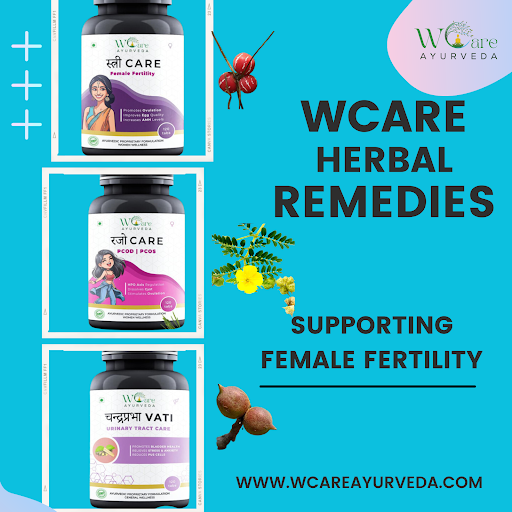
- STRI CARE: Enhances ovulation, improves egg quality, and supports overall reproductive health.
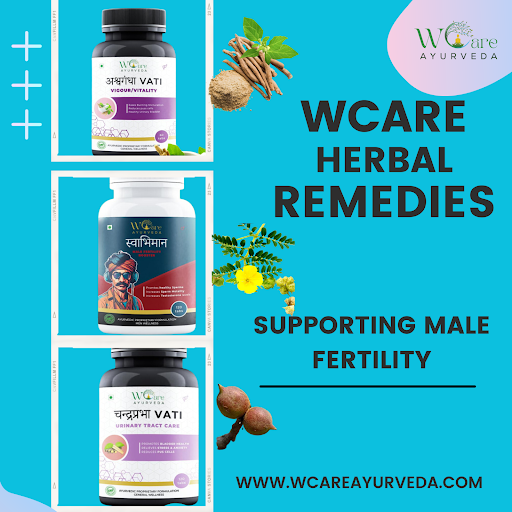
- Swabhiman: Promotes healthy sperm production and improves motility.
- SAMMAN: Addresses erectile dysfunction, premature ejaculation, and enhances blood circulation in penile areas.
- NariCare: Supports vaginal health and reduces infections.
Preventive Measures
Lifestyle Adjustments
- Healthy Diet: Incorporate foods rich in vitamins and antioxidants to support reproductive health.
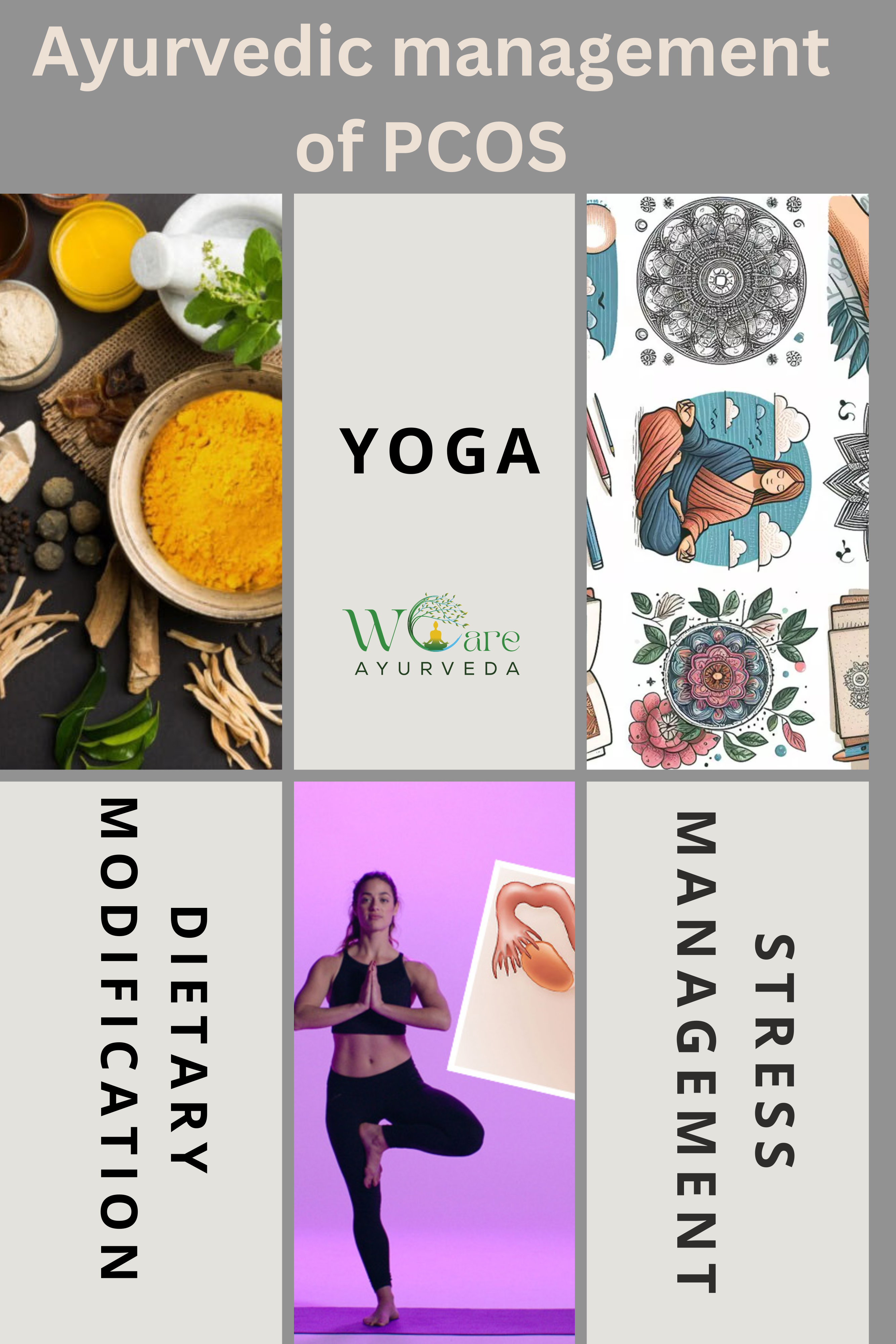
- Regular Exercise: Maintain a healthy weight and reduce stress through regular physical activity.
Stress Management
- Mindfulness and Meditation: Practice techniques to manage stress and improve overall well-being.
- Counselling: Seek professional help if fertility-related stress becomes overwhelming.
Personal Stories and Case Studies
Success Stories
- Case Study 1: A couple struggling with PCOS found success through a combination of lifestyle changes and Ayurvedic treatments.
- Case Study 2: An individual with low sperm motility improved their fertility through natural remedies and dietary adjustments.
Expert Insights
Quotes from Professionals
Dr. Preeti Garg, founder of WCare Ayurveda, emphasizes the holistic approach to fertility, integrating traditional Ayurvedic practices with modern health insights. “Witnessing couples overcome fertility challenges through natural methods is deeply rewarding. Our goal is to provide comprehensive support for those on their journey to parenthood.”
Conclusion
Boosting fertility naturally involves a combination of lifestyle changes, dietary adjustments, and targeted Ayurvedic treatments. By understanding the underlying factors and incorporating effective remedies, you can enhance your chances of conception and improve overall reproductive health. For personalised advice and support, consider consulting with a fertility specialist or Ayurvedic practitioner.
FAQ: Natural Ways to Boost Fertility
1. What are some natural ways to boost fertility?
Natural ways to boost fertility include adopting a healthy lifestyle, such as maintaining a balanced diet rich in vitamins and antioxidants, regular exercise, managing stress through mindfulness techniques, and avoiding harmful habits like smoking and excessive alcohol consumption. Ayurvedic remedies, such as RAJO CARE for PCOD/PCOS and STRI CARE for egg quality, can also support reproductive health.
2. How does a balanced diet affect fertility?
A balanced diet supports reproductive health by providing essential nutrients that regulate hormone levels and improve overall health. Foods rich in folic acid, zinc, vitamin D, and antioxidants can enhance fertility by supporting healthy ovulation and sperm production.
3. What role does stress play in fertility?
Stress can negatively impact fertility by disrupting hormone levels and menstrual cycles, which can affect ovulation and sperm production. Managing stress through techniques like meditation, yoga, and counselling can improve reproductive health and increase the chances of conception.
4. How can Ayurveda help in boosting fertility?
Ayurveda offers various remedies that target specific fertility issues. For example, RAJO CARE can help with PCOD/PCOS, while STRI CARE improves egg quality. Other products like swabhiman support sperm health, and NariCare promotes vaginal health. These natural remedies can complement a healthy lifestyle and medical treatments.
5. When should I seek professional help for fertility issues?
If you have been trying to conceive for over a year without success, or if you experience symptoms such as irregular menstrual cycles, severe pelvic pain, or recurrent miscarriages, it is advisable to seek professional help. A fertility specialist or Ayurvedic practitioner can provide personalised advice and treatment options.
6. Are there any lifestyle changes that can improve fertility?
Yes, lifestyle changes can significantly impact fertility. Maintaining a healthy weight, avoiding tobacco and excessive alcohol, managing stress, and engaging in regular physical activity can all contribute to better reproductive health. Additionally, incorporating fertility-boosting foods into your diet can enhance your chances of conception.
7. Can fertility supplements be beneficial?
Fertility supplements can be beneficial as they provide essential nutrients that support reproductive health. Supplements such as folic acid, zinc, and vitamin D can improve fertility by addressing nutritional deficiencies. However, it’s important to consult with a healthcare provider before starting any supplement regimen.
Sources
- American College of Obstetricians and Gynecologists (ACOG): Provides information on fertility issues, diagnostic methods, and treatment options. ACOG
- Mayo Clinic: Offers comprehensive guidelines on fertility, including lifestyle factors, diagnostic tests, and treatment options. Mayo Clinic
- National Institute for Health and Care Excellence (NICE): Provides evidence-based guidelines on fertility and related conditions. NICE
- WebMD: A reliable resource for information on fertility, diet, and lifestyle changes. WebMD
- Ayurveda for Women: Information on Ayurvedic remedies for fertility and reproductive health. Ayurveda for Women
- Healthline: Offers articles and insights on fertility, stress management, and lifestyle factors. Healthline


